)
School Leadership
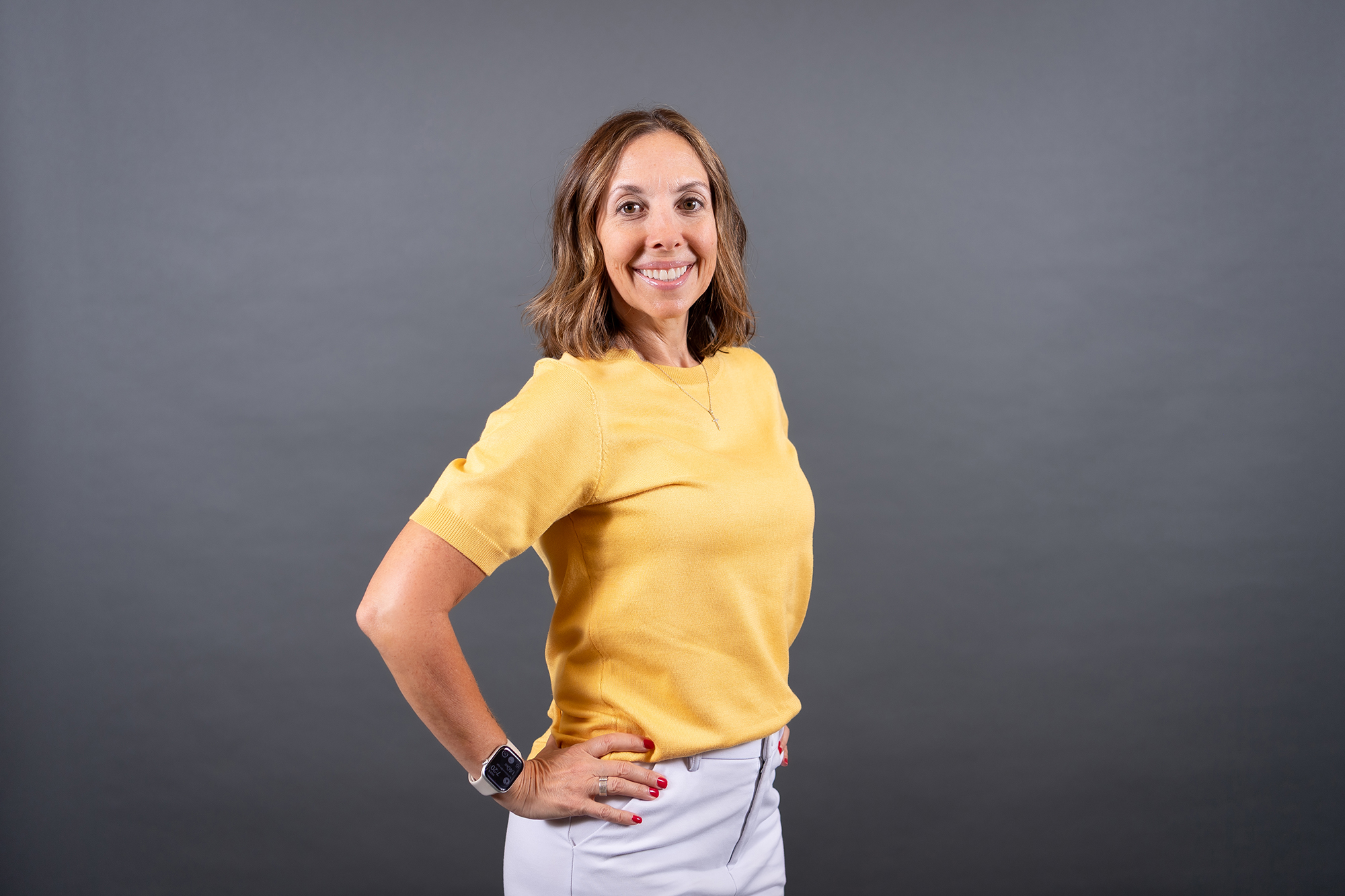
Jill Hoppe
Principal
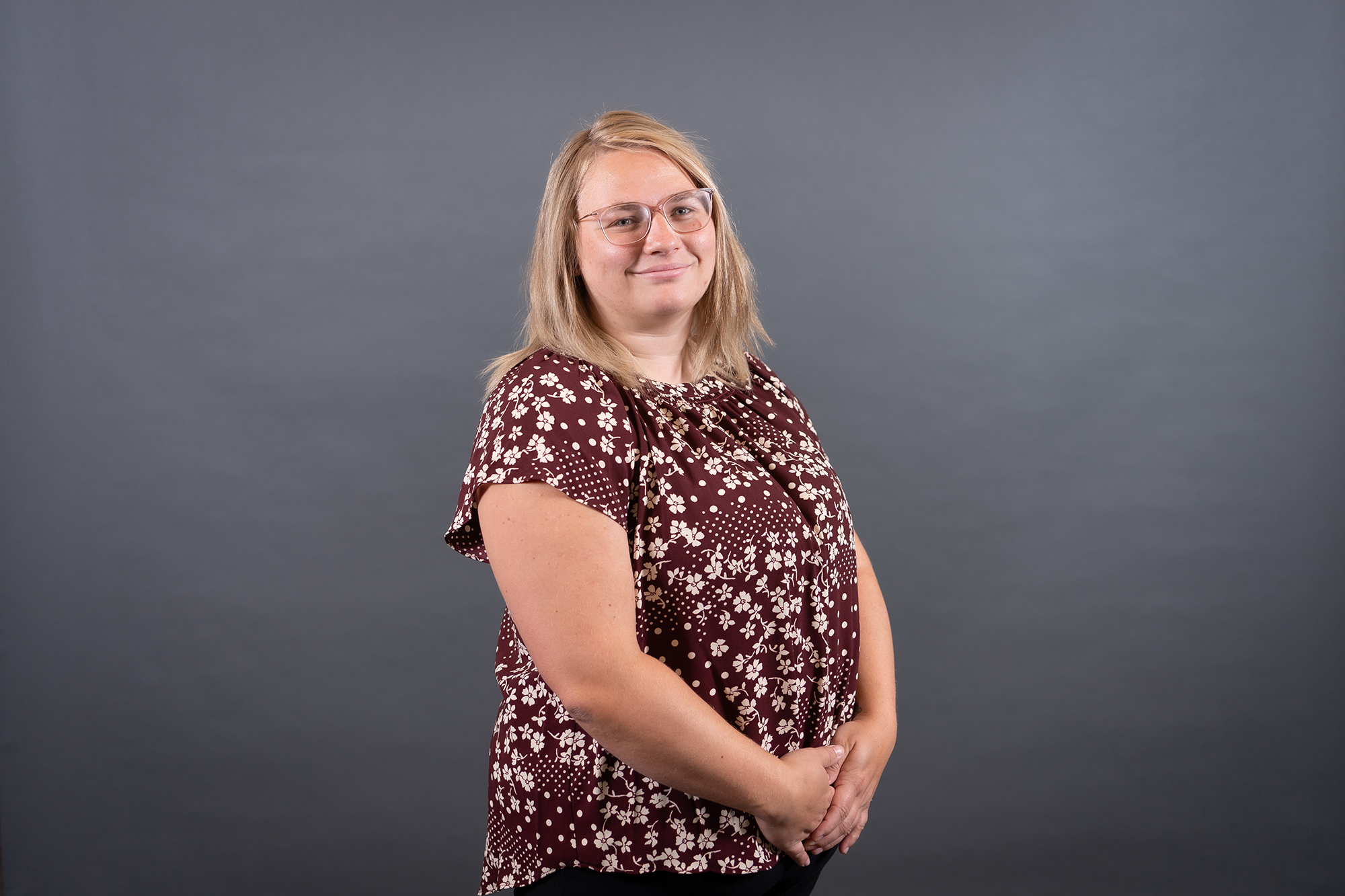
Abbiegail Schallmo
Assistant Principal
Welcome to Canyon Ridge School, an A+ School of Excellence and a Congia STEM Accredited School in the Dysart Unified School District. Our vision is inspiring the innovators of tomorrow. Through a dedicated and collaborative work environment, our teachers use a Science, Technology, Engineering, and Mathematics (STEM) philosophy to develop relevant and engaging learning experiences for students.
This upcoming school year will be the tenth school year for Principal Jill Hoppe. During the 2026-2027 Mrs. Hoppe was presented with the coveted Maricopa County Exemplary Principal award. She hails from Chicago, Illinois; however, she has been living in Arizona since 2008. She holds two Master's Degrees - one in Administrative Leadership from Grand Canyon University and the other in Reading, Writing, and Literacy from the University of Illinois. Her Undergraduate Degree is in Elementary Teaching with a minor in Sociology also from the University of Illinois. Mrs. Hoppe brings 30 years of experience to Canyon Ridge along with her “YES!” philosophy.
Assistant Principal Abbiegail Schallmo is beginning her first year at Canyon Ridge School. A proud product of the Dysart Unified School District, Ms. Schallmo attended Dysart schools as a student and later returned to serve as an educator, making her journey from Dysart student to teacher and now assistant principal especially meaningful. She holds both a Master’s Degree in Educational Leadership and a Bachelor’s Degree in Elementary Education from Northern Arizona University. Ms. Schallmo is passionate about building positive relationships with students, families, and staff and believes every child deserves a supportive environment where they are challenged, encouraged, and empowered to succeed. She is excited to join the Canyon Ridge community and looks forward to partnering with families to help every student thrive.
Throughout the 2026-2027 school year the school has identified the following goals to focus the work of the school.
Academic Goals
- By the end of the 2026-27 school year, math proficiency will increase from 63% to 66% as measured by the Math AASA.
- By the end of the 2026-27 school year, ELA proficiency will increase from 70% to 73% as measured by the ELA AASA.
- By the end of the 2026-27 school year, science proficiency will increase from 61% to 64% as measured by the AzSCI assessment.
- By the end of the 2026-27 school year, 87% K-3 students will be at or above benchmark as measured by the Composite DIBELs Acadience Assessment.
- By the end of the 2026-27 school year, less than 11% of students will be minimally proficient in ELA and Math as measured by the ELA and Math AASA.
- By the end of the 2026-27 school year, 8th grade highly proficient math students will increase from 28% to 31% as measured by the Math AASA.
- By the end of the 2026-27 school year, 8th grade minimally proficient math students will decrease from 18% to less than 15% as measured by the Math AASA.
- By the end of the 2026-27 school year, 3rd grade minimally proficient ELA students will decrease from 21% to less than 18% as measured by the ELA AASA.
- By the end of the 2026-27 school year, 100% of English Language students will move a minimum of one proficiency level up as measured on Azella.
Instructional Goals
- By May 2027, 100% of the campus professional learning teams will implement the PLC process with fidelity as measured by moving one indicator level up on the PLC continuum rubric.
- By the end of the 2026-27 school year, 100% of vertical professional learning teams will unpack essential standards to determine standard progressions that include: proficiency levels, DOK question examples, and a timeline for instruction.
- By the end of the 2026-27 school year, 100% of professional learning teams will use cycles of learning to measure student mastery of identified essential standards.
- By the end of the 2026-27 school year, 100% of professional learning teams will use a system of spiral review to ensure continued practice and retention of mastered skills (K-2 Mountain Math, 1-8 IXL, curriculum resources).
- By the end of the 2026-27 school year, 100% of grade levels will meet student needs through a focused intervention/enrichment process as evidenced by a focus on PLC questions #3 and #4, walk through data and standards based assessment data.
- By May 2027, 100% of teachers will post learning objectives at a DOK 2 or higher along with success criteria that define learning targets for all lessons daily.
- By May 2027, 100% of teachers will follow Academic Conversation structures and routines as evidenced by students engaging in level 3 conversations aligned to DOK 2 and higher questions as seen in observations and lesson plans.
- By May 2027, 100% of teachers will implement high yield engaging instructional strategies within lessons as evidenced by walk through data, formal observations, and DIP data sweep data.
- By May 2027, 100% of teachers will embed checks for understanding within each lesson to assess and adjust for student mastery as seen in lesson plans and observations.
Culture Goals
- By May of 2027, we will improve daily attendance rates from an average of 93.27% to 96%, this will be measured weekly.
- By May of 2027, students will regularly attend school as evidenced by reducing the amount of chronic absences (defined as 18 days or more) to less than 15% of the student population.
- By May of 2027, students will follow the 7 Habits of Highly Effective People and Dysart Core Values as evidenced by reducing referrals and detentions related to failure to follow school rules, physical aggression, defiance and disrespect by a minimum of 10%.